




Issue No. 78 — 04.08.26
Wall panelling has a way of making a room feel finished, even when nothing else in it has changed. It adds depth, structure and a sense of history, whether that history is genuine or entirely new. But panelling comes in more styles than most people expect, and the wrong choice can feel at odds with a room rather than part of it. Discover how to choose the right style for your home.
Panelling should feel like it belongs to the house, not like it’s been added on top of it. A Georgian or Victorian property generally suits more traditional styles, raised and fielded panelling, tall wainscoting, proportions that echo the cornicing and skirting already in the room. A newer build or a more contemporary interior can carry something simpler and cleaner, flush panelling or slim vertical fluting, without needing to reference a period it doesn’t have.
The safest rule of thumb is to let the room’s existing proportions guide the panel height and spacing, rather than picking a style you like and forcing it to fit.
Panelling reads differently depending on where it sits. In a hallway or dining room, taller, more formal panelling can set the tone for the rest of the house, since these are often the first rooms guests see. In a bedroom or snug, a lower, softer style tends to feel more relaxed. Bathrooms and boot rooms benefit from panelling that’s practical as well as decorative, tongue and groove or simple flush panels that can handle moisture and daily wear.
Raised and fielded panelling is the most traditional option, with a distinct raised centre panel and moulded frame. It suits period homes and formal rooms, and reads as classic rather than fashionable, which matters if you want the room to age well.
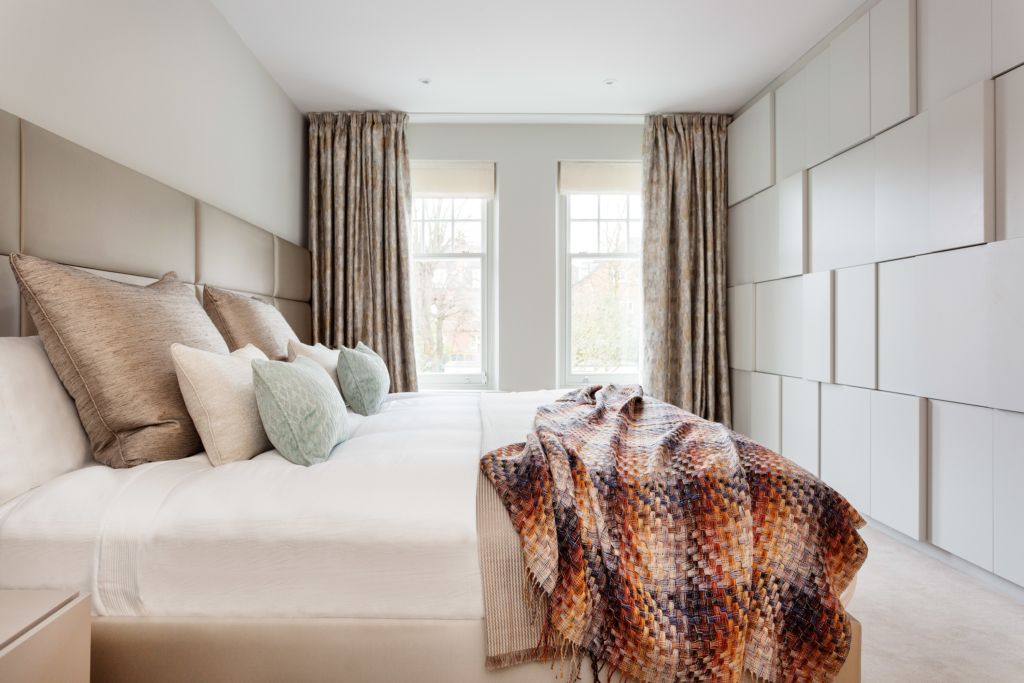
Flat or flush panelling is quieter and more contemporary. The panels sit level with the surrounding wall, often defined only by a shadow gap or slim moulding. It works well in modern interiors, or where you want architectural interest without visual weight.
Wainscoting, panelling that runs partway up the wall, usually to dado height, is a versatile middle ground. It suits hallways, dining rooms and staircases particularly well, and works in both period and contemporary settings depending on how it’s detailed.
Fluted and reeded panelling has become increasingly popular for a reason: the vertical grooves catch the light beautifully and add texture without pattern. It suits kitchen islands, media walls and bedroom joinery as much as full wall treatments, and feels more current than traditional raised panelling.
Tongue and groove is the most relaxed style, associated with country and coastal interiors, and the most forgiving in bathrooms, boot rooms and utility spaces where practicality matters as much as looks.
The right style can still feel wrong in the wrong material. Solid timber and painted MDF both work well, but the finish should suit the room’s use, a hard-wearing painted finish for a hallway or boot room, something with more warmth and grain for a living room or study. Colour matters too: panelling painted the same shade as the wall above it creates a subtle, architectural effect, while a contrasting colour turns it into more of a feature.
More than style, the single biggest mistake is getting the proportions wrong for the room. Panelling that’s too tall in a low-ceilinged room will make it feel smaller, not grander. Panelling that’s too short in a high-ceilinged room can look like an afterthought. This is where bespoke design earns its keep, panelling made to the exact dimensions of your room, rather than adapted from a standard kit, will always sit better.
Let the architecture of your home guide the style, not the other way round. Choose taller, more formal panelling for hallways and dining rooms, and softer styles for bedrooms and snugs. Consider fluted or reeded detailing if you want something that feels current rather than traditional. And get the scale right before anything else, it matters more than the style itself.
Thinking about panelling for your home? We’d love to help you find the right style for your space. Browse our panelling work or get in touch to speak with our design team.
What’s the difference between wainscoting and full wall panelling?
Wainscoting runs partway up the wall, usually to dado height, while full panelling covers the wall from floor to ceiling. Wainscoting tends to suit hallways and dining rooms, while full panelling works well in more formal or period rooms.
Is fluted panelling only for kitchens?
No. Fluted and reeded panelling works equally well on bedroom joinery, media walls, and full room treatments, its vertical grooves add texture to almost any space.
Does wall panelling suit a modern home?
Yes, though the style matters. Flat, flush panelling or slim fluted detailing tends to suit contemporary interiors better than traditional raised and fielded panelling, which reads as more period-specific.
Should panelling match the wall colour or contrast with it?
Both work. Matching the panelling to the wall colour creates a subtle, architectural look, while a contrasting colour makes the panelling a feature in its own right.

